Manual Data Entry Killed CRM Adoption. AI Fixes That.
 By
By
For decades, CRM adoption has failed for one simple reason: salespeople don't see value in data entry. CRMs became systems of control instead of systems of enablement. AI changes that equation for the first time, by removing the root cause of resistance instead of forcing compliance.
The real CRM problem nobody likes to admit
Salespeople don't hate CRMs. They hate doing unpaid admin work. Historically, using the CRM meant:
- Manual call logging after every conversation, pulling reps away from the next call
- Meeting notes typed from memory
- Opportunity updates to keep forecasts current and managers satisfied
- Custom field overload as Marketing and RevOps added requirements without counting the cost to reps
The only enforcement tools were the carrot of commission rules and the stick of forecast meetings and pipeline inspections. Neither drove real adoption. Both created resentment, and reps learned to do the minimum needed to avoid trouble.
Why CRM design failed sales teams
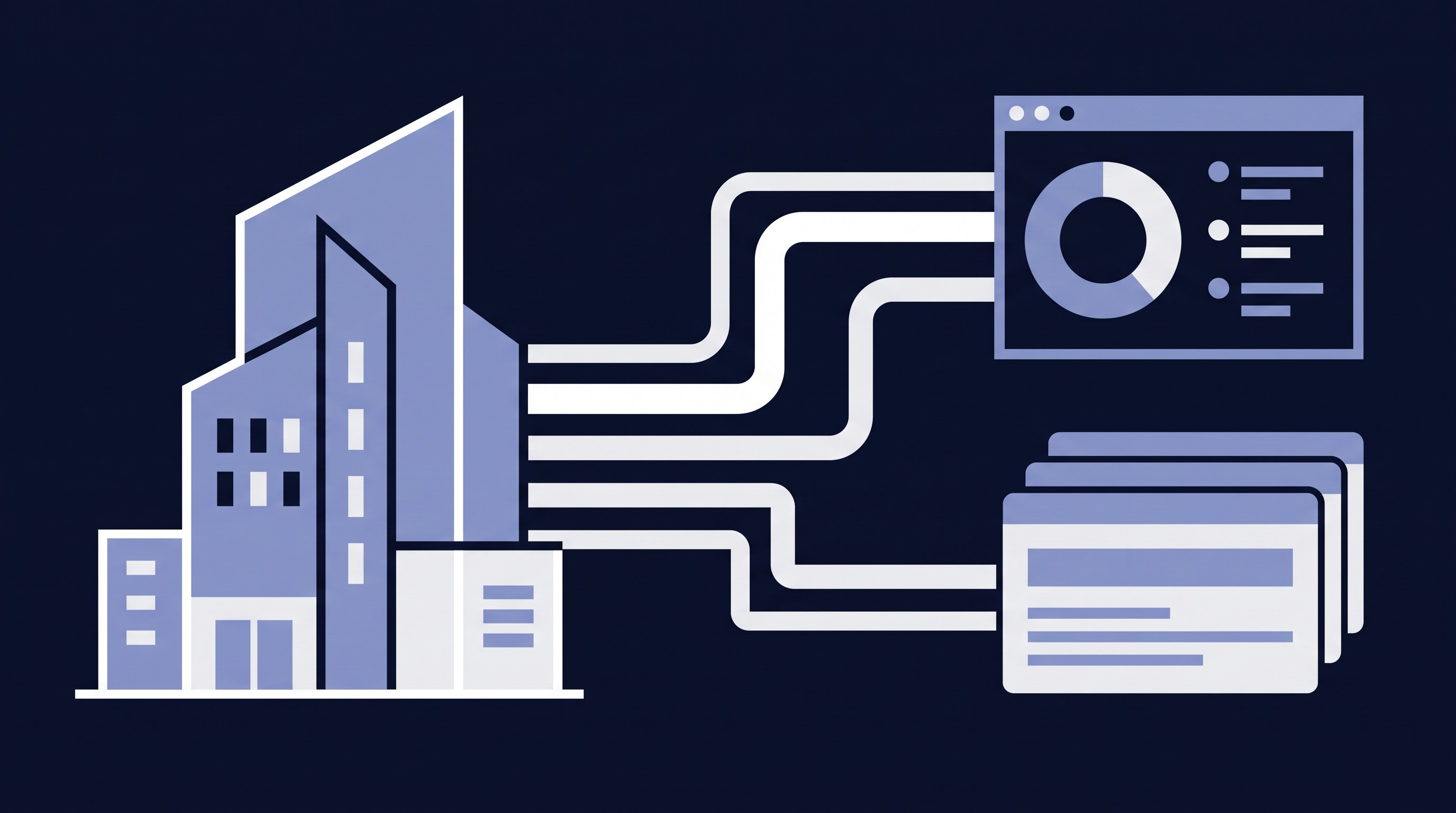
The root problem was never training. It was design. Marketing controlled inbound fields, RevOps controlled forecasting fields, executives needed pipeline visibility, and Sales was asked to fill out all of it. Every stakeholder's fields made sense on their own. Nobody asked whether the combined burden was sustainable for the people entering the data. The system was optimized for reporting up, not for enabling the front line.
The AI shift that changes everything
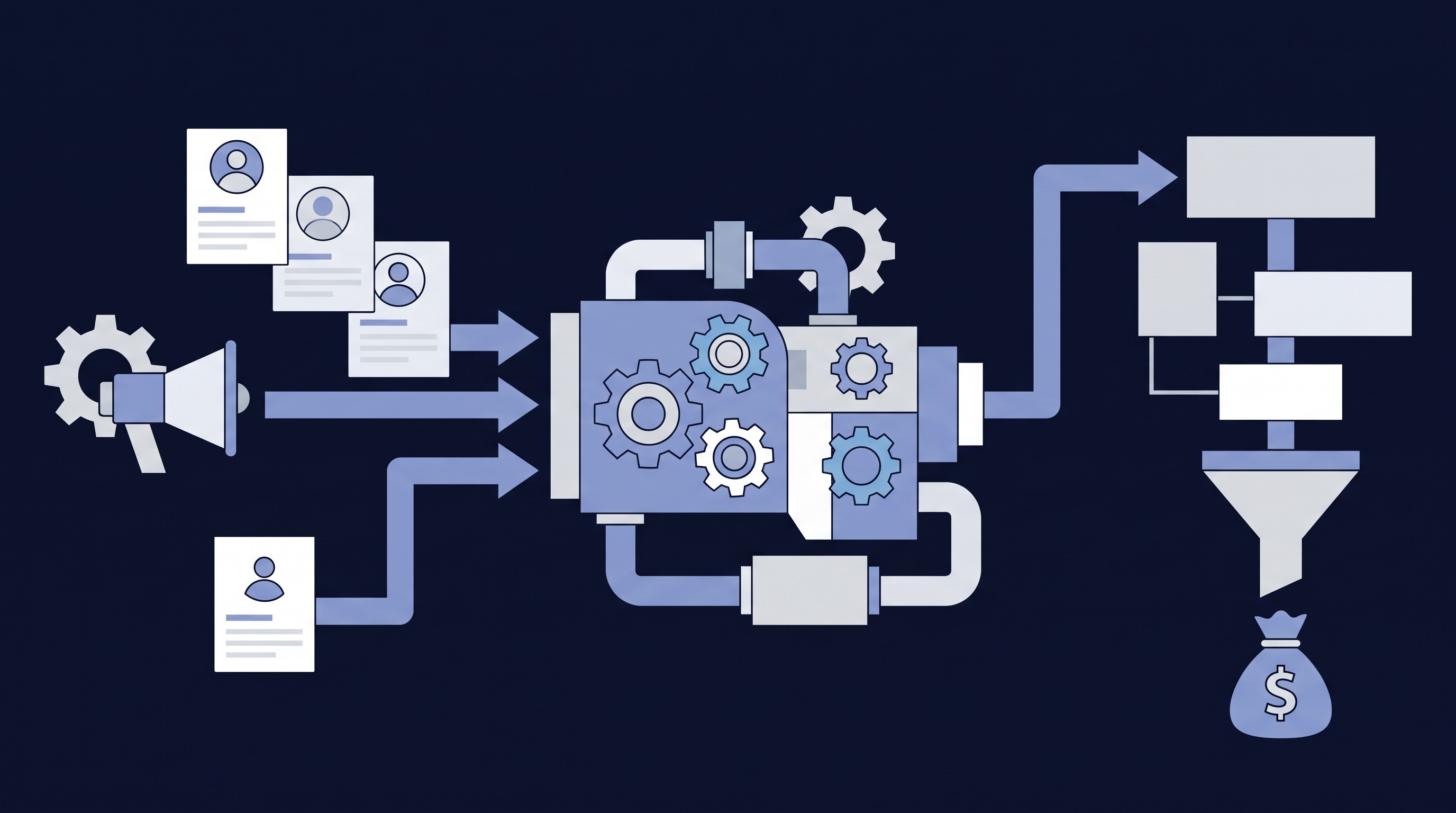
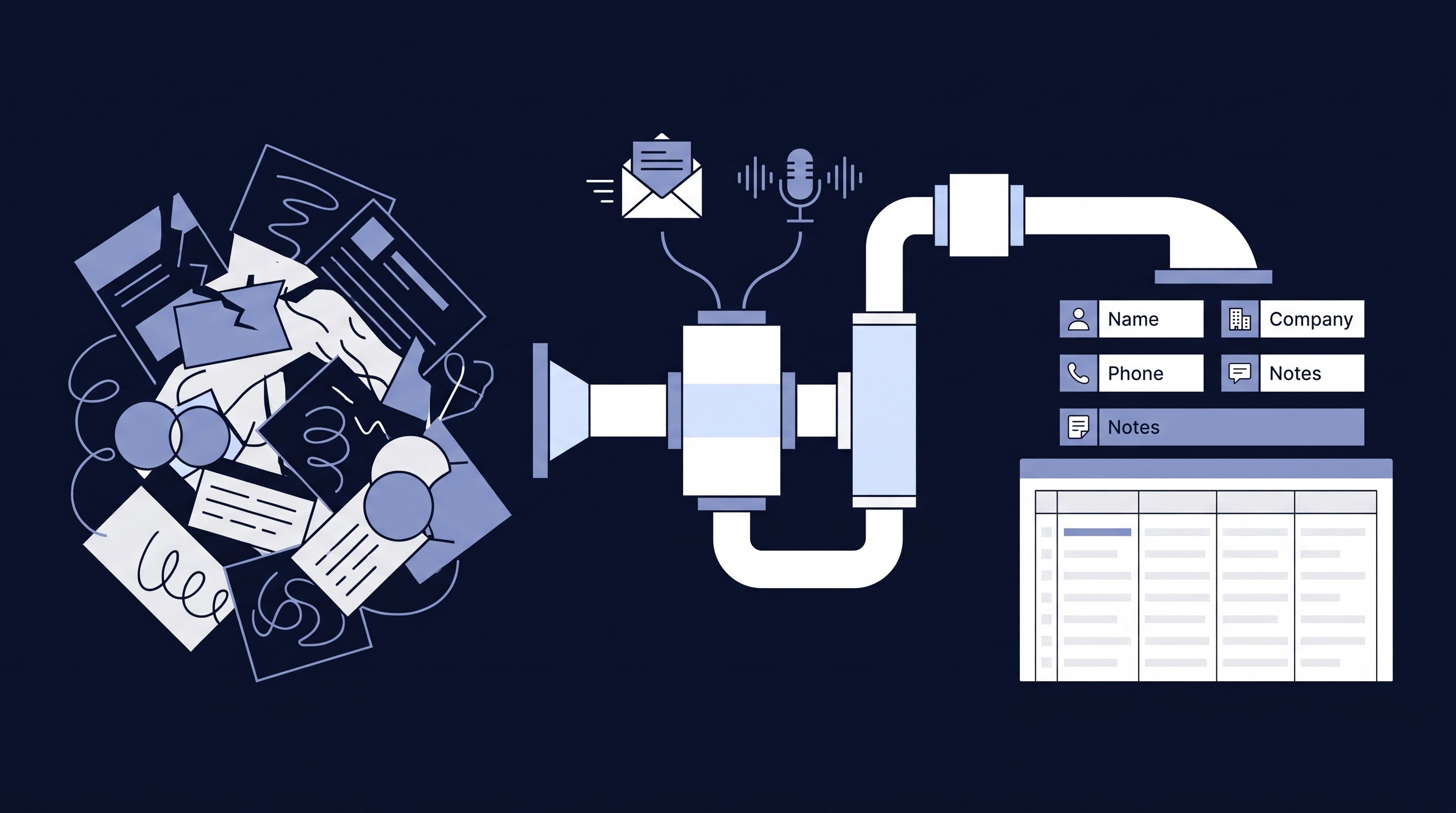
AI changes how data gets into the CRM. Instead of asking reps to type, AI now:
- captures emails automatically
- records and summarizes meetings
- extracts objections, intent and next steps
- updates CRM fields in the background
Salespeople stop entering data. The CRM starts listening. For the first time, the CRM works the way sales actually works: in email, on Zoom, in Slack and on the phone. When the system serves the seller first and the organization second, adoption stops being a fight.
Start where sales actually cares
Sales leaders care about two things: open deals and qualified pipeline. Deploy AI there first.
For open deals
- Capture meetings automatically with transcription and summaries
- Extract objections for manager coaching
- Identify buying signals such as budget, legal and procurement
- Coach from real conversation data
For pipeline
- Score high-intent actions like demo requests and pricing inquiries
- Separate curiosity from genuine purchase intent
- Prioritize demo requests over content downloads
- Surface the prospects who are actually ready to buy
Follow the money: start with this quarter's opportunities, then work back into pipeline. Focus creates results; dashboards nobody uses don't.
CRM as a coaching tool, not a reporting tool
Once AI removes data entry, the CRM finally becomes useful to sales. It can suggest responses to objections, surface the most common blockers across all deals, reinforce the messaging that wins, and check that reps follow the sales methodology in real conversations, not just on training slides.
The old CRM looked backward, summarizing what already happened for the forecast. The AI-powered CRM looks forward, improving the next conversation based on the last one. Reps still build the relationships. They just do it with better information.
What this means for sales leaders
When AI removes admin work, reps spend more time selling, qualification improves, bad-fit deals exit sooner, and pipeline quality rises. This doesn't eliminate sales roles. It increases demand for experienced sellers who can handle better leads and higher-quality conversations. Junior reps ramp faster with AI coaching, and senior reps focus on complex deals instead of data entry.
It also becomes a recruiting advantage. Top performers go where their time is respected and their skills are amplified.
The future of CRM is simple
Salespeople should never be asked, "Did you update the CRM?" The CRM should already know.
- Past: manual entry, documented after the fact
- Present: AI capture from email, meetings and calls
- Future: predictive intelligence that surfaces the next step before the rep asks
CRM Assist helps companies redesign Salesforce and HubSpot to remove friction, automate data capture and enable AI-driven sales coaching. Schedule a consultation.