Your Delivery Team Deserves More Than a Calendar Invite
 By
The deal closes. Someone rings the bell in Slack. Within a day, finance has set up billing, the onboarding form has gone out, and the client exists in the invoicing tool.
The person who actually has to deliver the work gets a calendar invite.
I see this in almost every professional services firm, agency and consultancy I work with, especially the ones that hand engagements from a sales lead to a delivery lead or place independent consultants with clients. The admin side of onboarding runs like a checklist. The delivery side runs on a string of emails. That gap is where engagements start off on the wrong foot.
Why "just check the deal" doesn't work
The obvious answer is to point your delivery team at the HubSpot deal record. In practice, the record stops being reliable the moment the deal is won:
- It goes stale. Sales keeps it current until Closed Won. After that, changes to scope, dates and format happen in email and never make it back.
- The conversations aren't on it. In most portals I audit, calls are logged on the contact or company, not the deal.
- Delivery emails live somewhere else, often on the consultant's contact record rather than the client's deal.
- The signed SOW is a file in a folder, not data HubSpot can use.
After close, email is the real source of truth. Any fix has to read from all of it and trust the most recent message over an old description.
One trigger, three documents
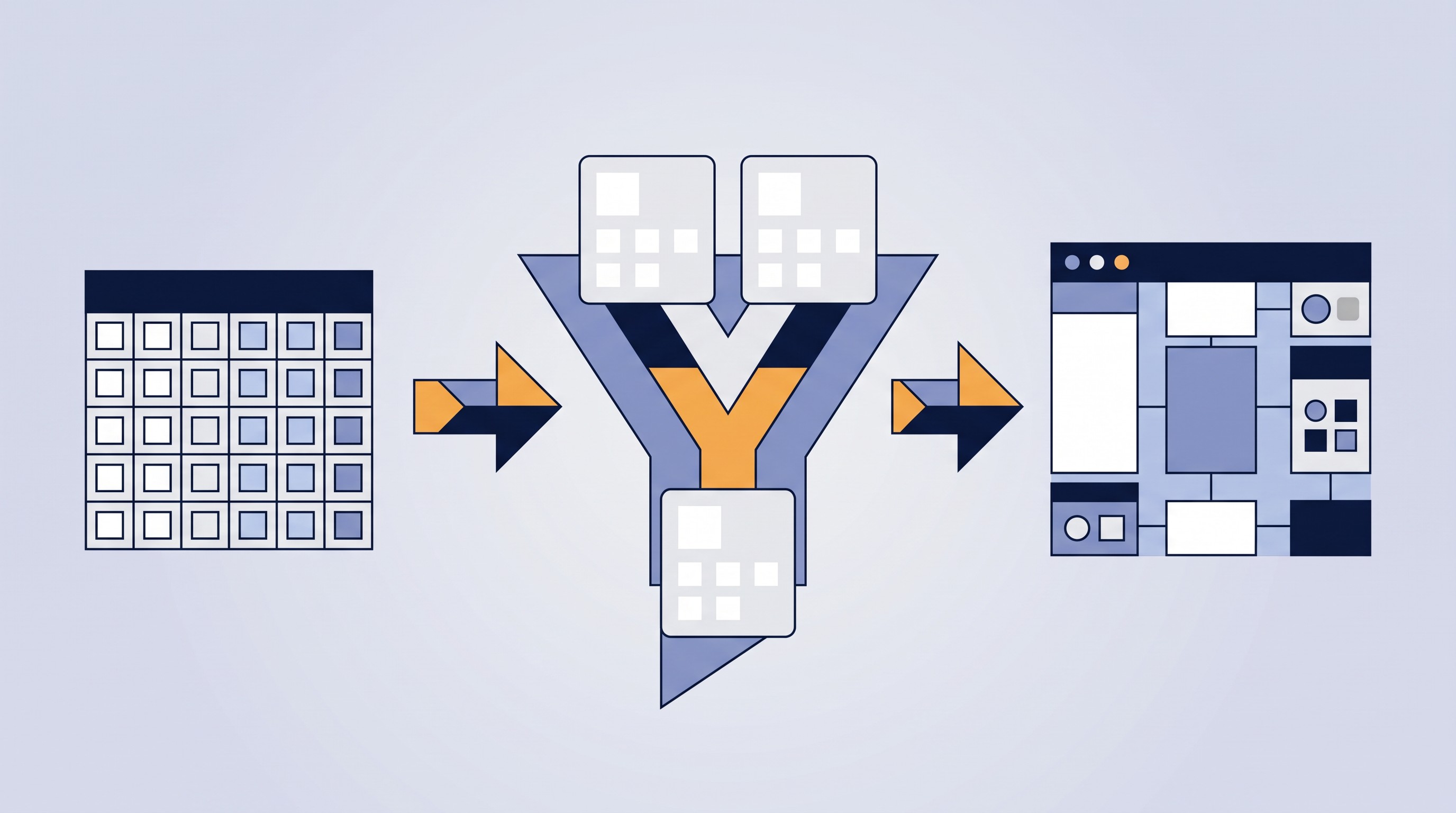
The design I recommend uses the Closed Won stage change to generate a handoff pack, with each document written for a different reader:
- An internal handoff checklist for the coordinator: final scope, fee and dates, open commitments sales made, conflicts between the record and the inbox, and prep deadlines.
- An assignment summary for the delivery person: the delivery-facing version of the SOW, including their own rate but nobody else's.
- A kickoff prep brief for the delivery person: client background, what the client wants in their own words, stakeholders, decisions already made and a dated prep checklist.
The hard part isn't writing summaries. It's making sure margin, other consultants' rates, referral fees and unsold upsell conversations never reach the wrong reader. That takes explicit visibility rules, a default of "internal unless released," and a human review step before anything goes out.
Plumbing vs. judgment
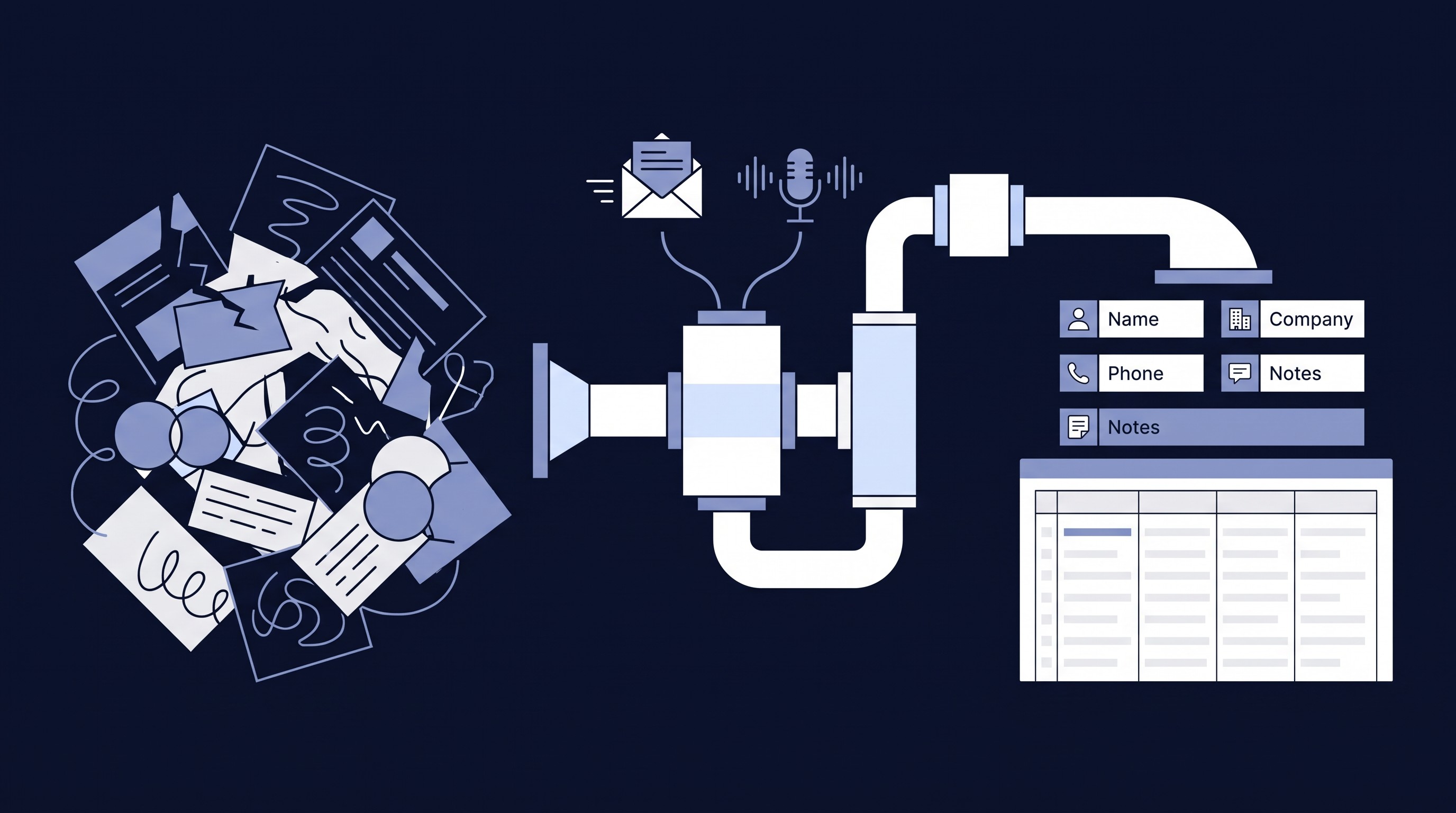
The principle I hold to on every build: use free HubSpot workflows for the plumbing, and use AI only where judgment is needed. Triggers, data gathering and task creation are workflow jobs. Reading a messy email thread and writing a clean brief is the AI job. That keeps credit usage low and the system easy to maintain.
Get the full playbook
The white paper walks through a real (anonymized) engagement, the full visibility rules, the step-by-step HubSpot build, and five design rules you can use on any AI handoff.
Download The Handoff Gap white paper →
If your kickoff tasks are routinely overdue while billing tasks are done on time, the gap isn't your people. Let's talk about closing it.